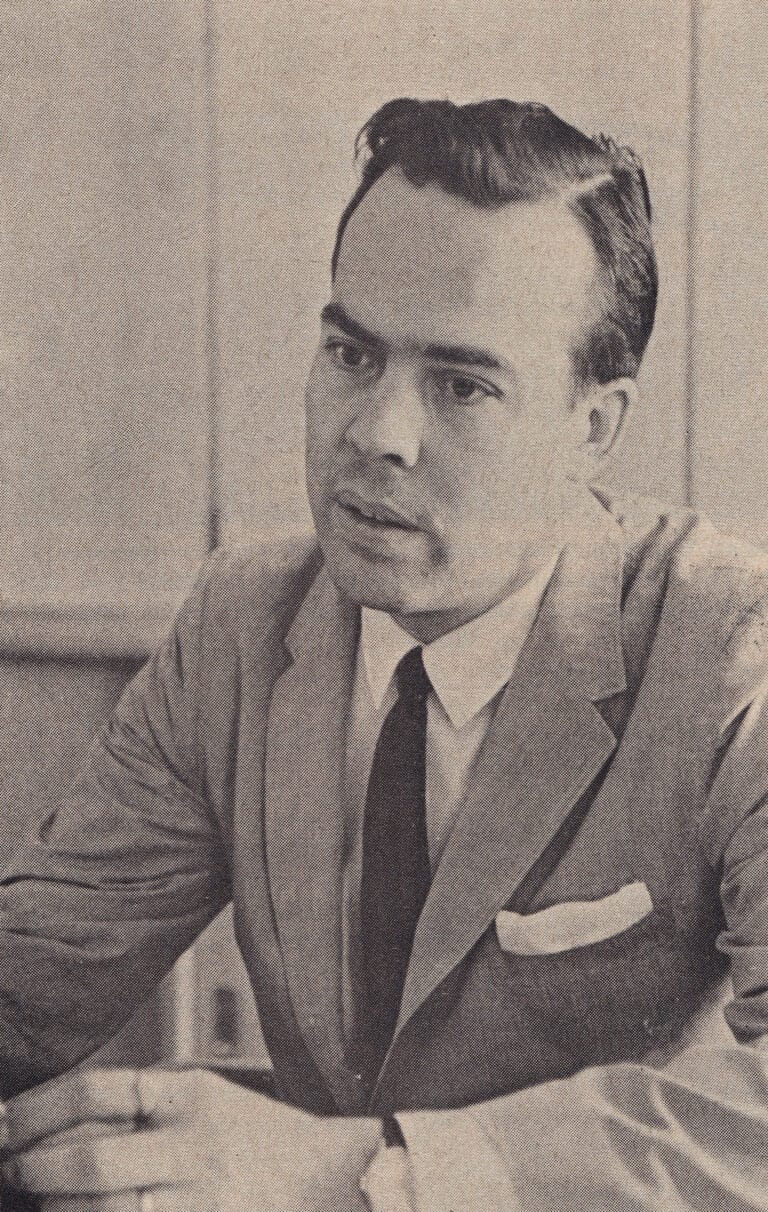
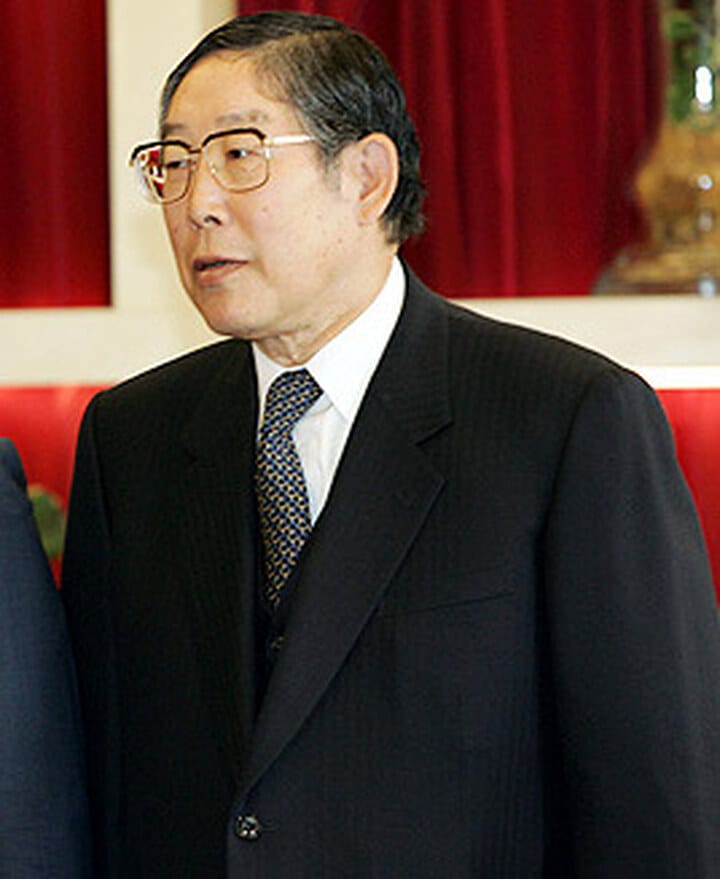
Hiroshi Okuda, who led Toyota as president and chairman while pushing overseas production and backing the Prius hybrid, died of old age on Aug. 8, 2026, at 93, Nikkei reported.
Okuda joined Toyota in 1955, starting in accounting before taking operating responsibility in the Philippines. He later oversaw Toyota’s international business before reaching the company’s top management.
He became president in 1995. In that role, he promoted younger managers and cut the time for decisions from months to days or hours at a company where they had traditionally moved through senior ranks. During his presidency, Toyota opened five factories outside Japan and expanded two others, putting more production closer to customers abroad.
At a 1997 technology announcement, Okuda presented Toyota’s gasoline-electric hybrid system, which combined a gasoline engine with an electric motor, as an answer to environmental problems and promised a new hybrid model within the year. The Prius reached the Japanese market later that year with roughly twice the fuel efficiency of a comparable gasoline car. The model won Japan Car of the Year and drew 3,500 first-month orders, three times Toyota’s target.
As chairman from 1999 to 2006, Okuda oversaw Toyota’s growth in sales and manufacturing, including expanded production facilities in the United States and Europe. In a 2003 interview with Voice of America, he said Toyota had sold more than 6 million vehicles in 140 countries and about 150,000 gasoline-electric hybrids, giving it roughly 90% of the worldwide hybrid-vehicle market.