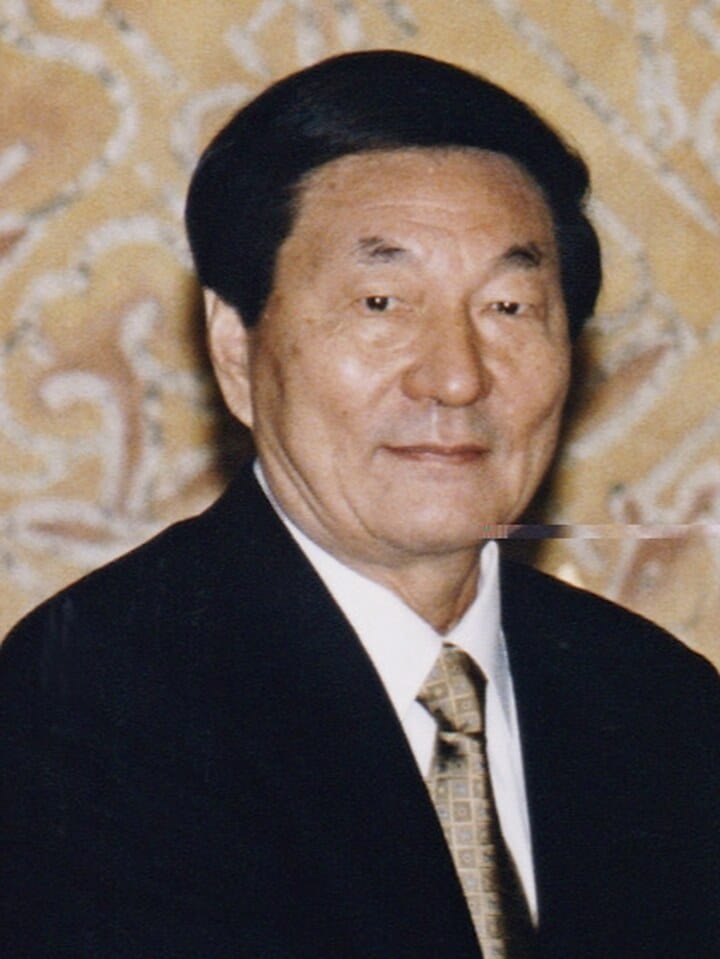
Zhu Rongji, China’s former premier and a leading architect of its late-1990s economic shift, died in Beijing on Aug. 12, 2026, at 97 after an unspecified illness, The Associated Press reported. His reforms moved China toward a more market-oriented economy while the government retained ownership of major enterprises.
Zhu worked in economic planning before he was labeled a “rightist,” an official political label, in 1957 after praising economic reforms in Hungary and Yugoslavia. During the Cultural Revolution, a period of political upheaval, he was sent to manual labor. After his rehabilitation in 1979, he returned to economic planning and became mayor of Shanghai in 1988. During protests in 1989, he placated protesters and pledged not to call in the military.
After serving as mayor, Zhu became a deputy premier in the 1990s and directed national economic policy. He enforced price controls and cut loans to money-losing state-owned companies, bringing inflation under control. From 1994 to 1996, he crafted a tax-sharing system that required local officials to send more tax revenue to Beijing.
Zhu became premier in 1998. In that role, he pushed state-owned companies to operate more efficiently and profitably while major enterprises remained under government ownership. The restructuring caused millions of layoffs. He also launched the sale of apartments owned by state companies that year, shifting urban housing away from employer-provided units.
Zhu’s push for China’s entry into the World Trade Organization included a 1999 trip to Washington. China joined the organization in December 2001, and Zhu remained premier until 2003. Within a decade of the 1998 apartment sales, most urban housing was privately owned.