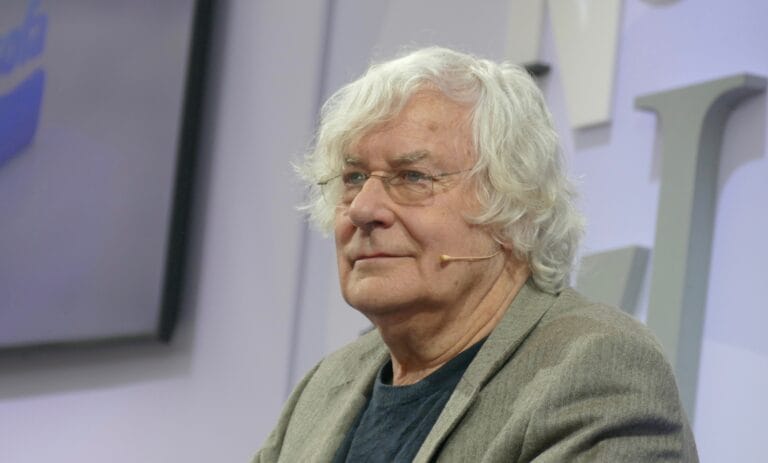
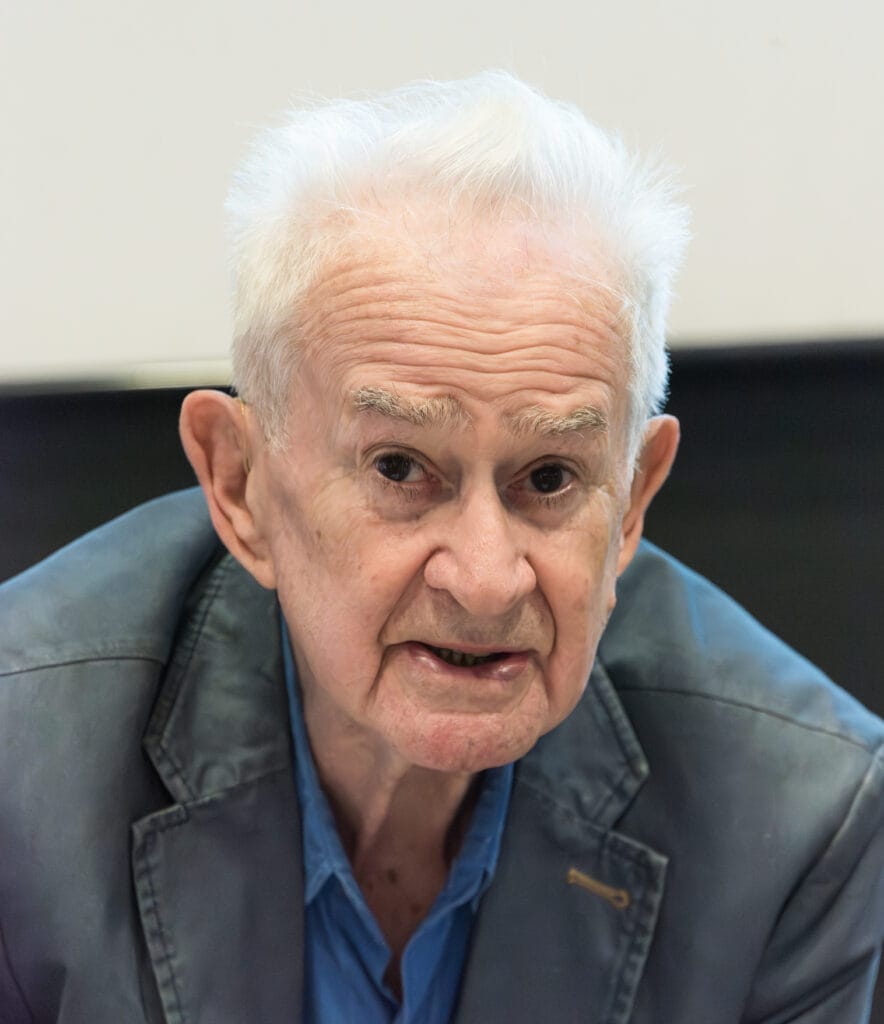
Tomasz Szarota, a Polish historian and public commentator who pioneered research into how civilians lived in German-occupied Warsaw, died Aug. 11, 2026, at 86, the Institute of History of the Polish Academy of Sciences said in an obituary.
After studying history at the University of Warsaw, he joined the Institute of History of the Polish Academy of Sciences in 1962 and began researching wartime Warsaw. In 1973, he published Okupowanej Warszawy dzień powszedni, a study of daily life from the start of the German occupation in September 1939 through July 1944.
In 1983, he published the first scholarly biography of Gen. Stefan Rowecki “Grot,” commander of the Home Army, Poland’s wartime underground resistance. The biography examined how the resistance was led and organized within occupied society.
From 1988 to 2000, he compared daily life in occupied European capitals and studied how Poles and Germans viewed one another. His books also examined stereotypes about national groups, anti-Jewish prejudice and violence.
In 2007, Karuzela na placu Krasińskich examined the carousel near the Warsaw ghetto and its relationship to an image in a poem by Czesław Miłosz. A 2011 re-edition of Okupowanej Warszawy dzień powszedni added new research and source materials.
By 2023, he had published studies of individual wartime episodes, including the death of Warsaw mayor Stefan Starzyński. In 2025, his interview book Duma i wstyd. O historii i potrzebie pamiętania examined the need to remember both courage and wrongdoing in the history of World War II and the German occupation.